The best Mother’s Day cakes at home are the ones a first-time baker can actually pull off on a Sunday morning: a simple layer cake, a sheet cake with flowers, or a batch of lemon cupcakes arranged into one big cake. Pick your design first, then the flavor, then the decorating shortcut, and you’ll have something on the table in three hours.
Most of the ten ideas below take between 45 minutes and two hours of hands-on time, and none of them need a stand mixer, a turntable or a piping bag you bought for a single occasion. Every one scales from an eight-inch round for a family lunch to a full sheet cake for a brunch crowd.
Table of Contents
- How to Make Mothers Day Cake Ideas at Home at a Glance
- 1. Floral Celebration Cake With Buttercream Flowers
- How to make the cake
- How to decorate it
- 2. Strawberry Chocolate Shortcake Cake
- Building the filling
- 3. Lemon Daisy Cupcake Cake
- 4. Elegant Ribbon and Bow Cake
- Building the bow
- 5. Rustic Flower Garden Sheet Cake
- 6. Cocoa Mocha Layer Cake
- 7. Fresh Fruit and Whipped Cream Cake
- Stabilizing the cream
- 8. Personalized Photo Cookie Cake
- Finishing the transfer
- 9. Fun Handprint Keepsake Cake
- Making the prints
- 10. Nut-Free Flower Power Cake
- Keeping it safe
- Frequently Asked Questions
- What is the easiest Mother’s Day cake to make at home?
- How far in advance can I bake a homemade Mother’s Day cake?
- How do I keep fresh fruit from making my cake soggy?
- What decorations are safe to put directly on a cake?
- Can I make a Mother’s Day cake without eggs or dairy?
- How should I transport a decorated Mother’s Day cake?
- Conclusion
How to Make Mothers Day Cake Ideas at Home at a Glance
| Cake | Flavor | Best size | Decorating difficulty | Best for | Main technique |
|---|---|---|---|---|---|
| Floral Celebration | Vanilla buttercream | 8 or 9 inch round, two layers | Medium | Brunch centerpiece | Crumb coat plus piped flowers |
| Strawberry Chocolate Shortcake | Chocolate with strawberry filling | 9 inch round, two layers | Low | Spring gathering | Simple syrup soak |
| Lemon Daisy Cupcake Cake | Lemon with vanilla frosting | 18 to 24 cupcakes | Low | Classrooms and big families | Batch baking and assembly |
| Ribbon and Bow | Any flavor, one color | 6 inch tall layer or single 9 inch | High | Elegant grown-up brunch | Fondant ribbons and a sculpted bow |
| Rustic Flower Garden Sheet Cake | Vanilla, lemon, or spice | 9×13 pan | Low | Feeding a crowd | Frosting swirls and edible flowers |
| Cocoa Mocha Layer Cake | Chocolate and coffee | Two 8 inch rounds | Medium | Dinner dessert | Buttermilk and hot coffee |
| Fresh Fruit and Whipped Cream | Sponge with seasonal fruit | 9 inch round, single layer | Low | Warm spring lunches | Stabilized whipped cream |
| Photo Cookie Cake | Vanilla sugar cookie dough | 12 inch cookie sheet | High | A personal family gift | Printed image transfer |
| Handprint Keepsake | Chocolate or vanilla | One sheet pan layer | Low | Kids and grandparents | Edible glaze painting |
| Nut-Free Flower Power | Carrot, sunflower, or lemon | 8 inch round or cupcakes | Medium | School-safe celebrations | Seed buttercream and color work |
A note on wording before we start: nothing here is fussy. If you have never piped a buttercream flower in your life, read idea one and start there. If you’d rather not frost anything at all, ideas two and five both work with a glaze or a dust of powdered sugar instead.
1. Floral Celebration Cake With Buttercream Flowers
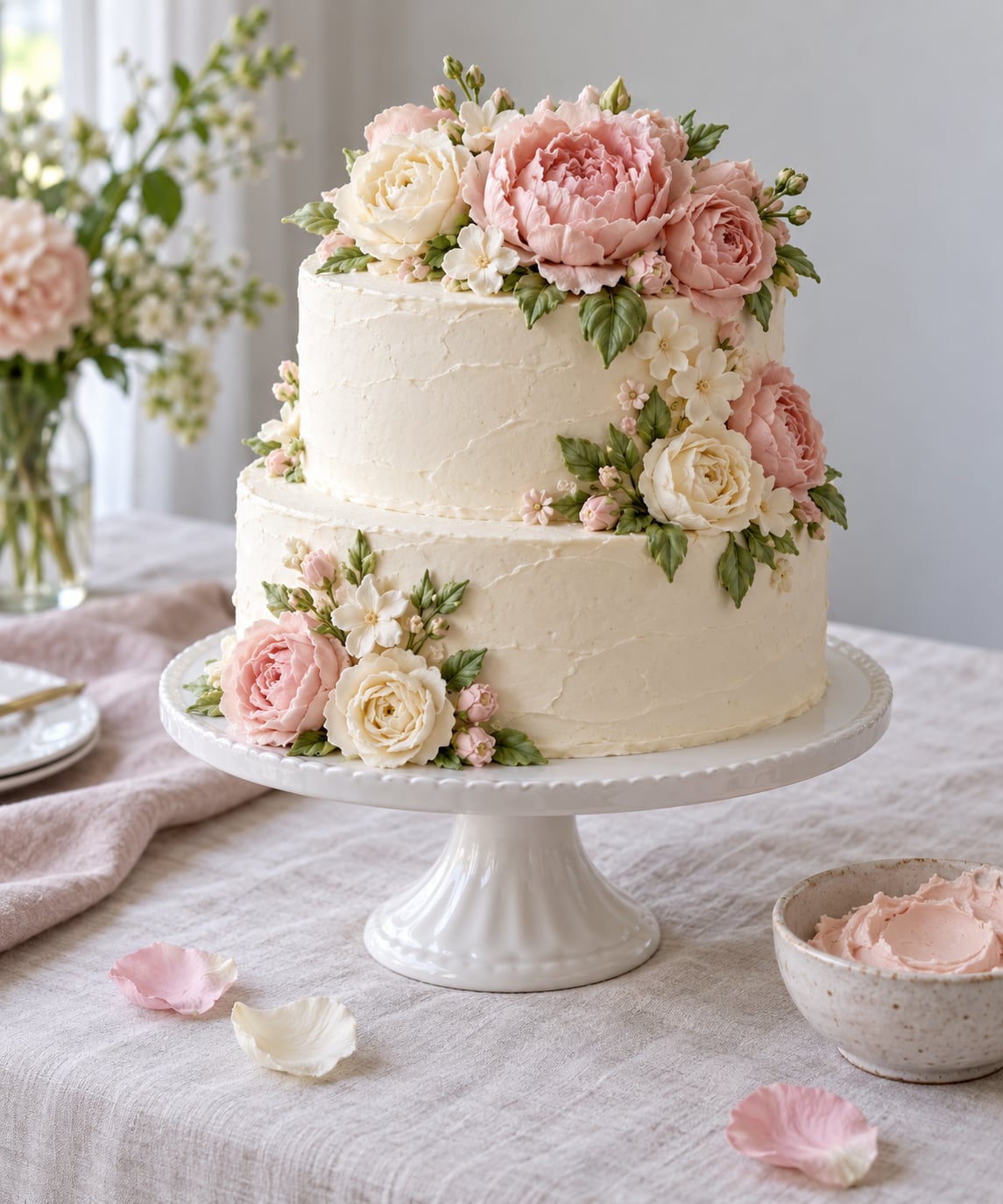
This is the classic Mother’s Day cake, and it survives contact with real kitchens because the decoration is forgiving. A slightly uneven buttercream finish looks intentional once flowers are on top.
How to make the cake
Bake two 8 inch or 9 inch rounds of a simple vanilla or almond sponge using the creaming method. A pound cake or a boxed mix doctored with a spoonful of almond extract both work, and plenty of home bakers treat the doctored mix as a sensible shortcut rather than a compromise.
Level the cooled layers with a serrated knife, then crumb coat: a thin first layer of buttercream that traps crumbs, chilled for 20 minutes, followed by the final coat. That extra 20 minutes is the single step that separates a bakery look from a home look.
How to decorate it
Pick three colors of buttercream: one for the cake, one for the flowers, one for leaves. A 1M or 1A tip makes a rose in one squeeze; if you don’t own piping tips, a zip-top bag with a corner snipped off works fine for petals.
Cluster five or six flowers off-center rather than ringing the whole cake, then add a few leaves and a small piped message. Less is more here. A single line of piped words in a contrasting color is enough.
Chill the finished cake for 20 minutes before moving it. Buttercream holds up to a warm room far better than whipped cream, which matters if brunch runs late.
2. Strawberry Chocolate Shortcake Cake
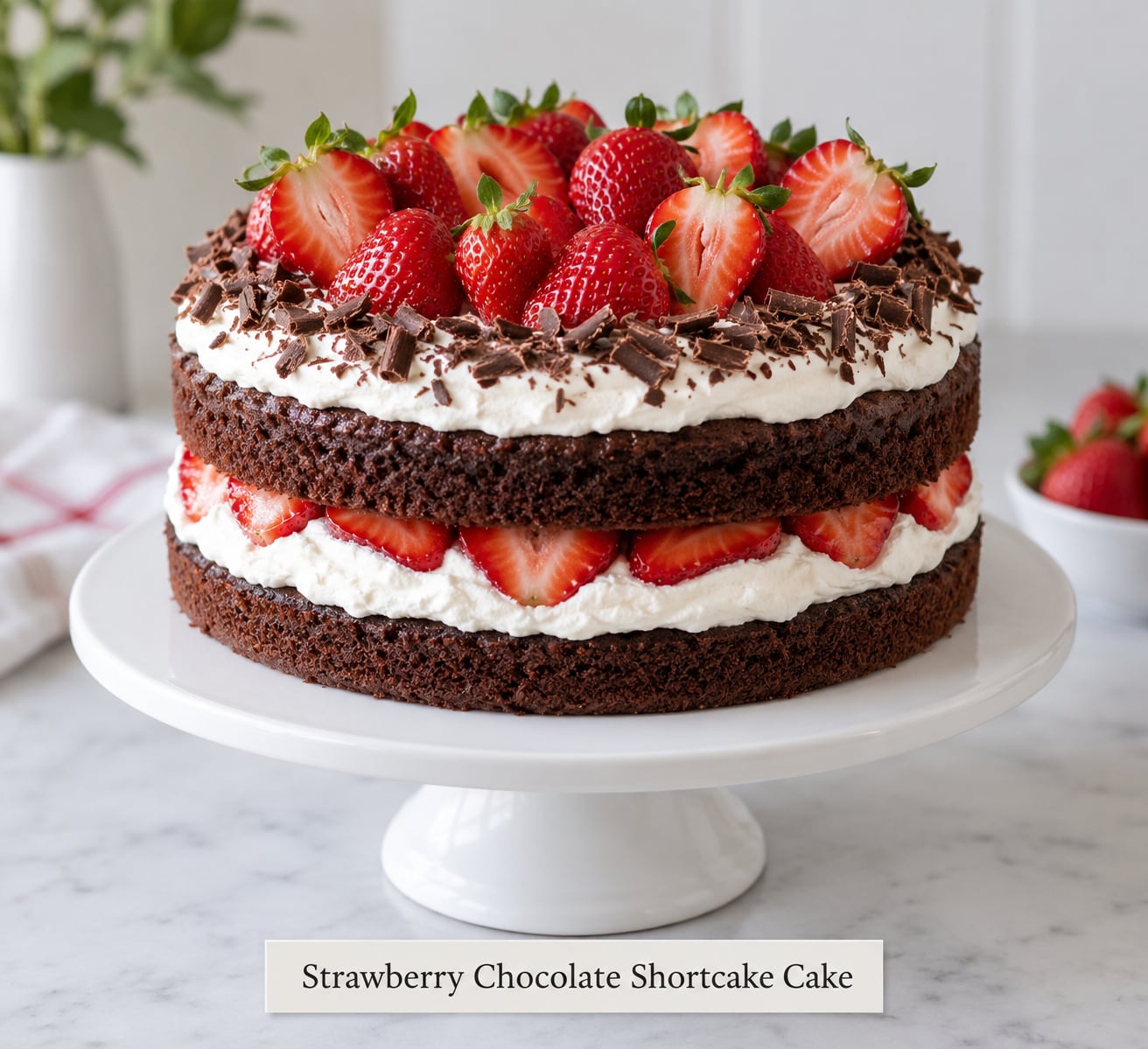
Strawberry and chocolate is the combination people ask for most in spring, and it works because the filling does the decorating for you. Very little finesse is needed.
Bake two chocolate layers. Most home bakers get a moister crumb by replacing part of the liquid with hot coffee, which also deepens the chocolate flavor without making the cake taste of coffee.
Building the filling
Mash a cup of strawberries with a spoonful of sugar and a teaspoon of lemon juice, then let it sit in a sieve over a bowl for 20 minutes so the juice drains off. Spoon the thick pulp between the layers and spread it about half an inch thick. Too much juice is the single reason this cake turns soggy by the second hour.
Cover the filling with a thin buttercream layer, then frost the top and sides. Arrange whole strawberries around the rim and shave a little dark chocolate over the whole thing with a microplane for a border that looks professional.
This is the easiest path to how to make mothers day cake ideas at home when you want maximum impact for about an hour of work.
3. Lemon Daisy Cupcake Cake
A cupcake cake solves three problems at once: no layer leveling, no slicing on Mother’s Day, and it feeds a crowd without a knife. Kids love it, and there is no pressure on anyone to eat a second slice.
Bake a batch of straightforward lemon cupcakes at about 350°F for 18 to 20 minutes. Grate the zest of two lemons into the batter and rub the cut side of one lemon over the sugar before it goes into the mixing bowl, which pulls out far more aromatic oil than juice alone.
Frost with a simple vanilla buttercream, using a small round tip for a border around each cupcake. Then make the daisies: piped white petals in a ring, a piped yellow dot in the center, one flower per cupcake. There is no rule that says the flowers need to be identical.
Line a large flat plate or a sheet pan with parchment and stand the cupcakes in a tight grid, touching at the edges. Pipe the flowers last so nothing smudges.
If your oven is temperamental, bake in two batches rather than crowding the pans. An uneven middle row is the one flaw in a cupcake cake that people actually notice.
4. Elegant Ribbon and Bow Cake
This one is for the cook who wants the cake to look like it came from a shop. The whole design is one color plus a bow, which is why it works: there is nowhere for a mistake to hide.
Bake a single tall layer by using a deep 8 inch pan with two thirds of the batter, then add the rest after 20 minutes. Bake the second portion until the tester comes out with a few moist crumbs.
Building the bow
Roll fondant to about an eighth of an inch thick and cut two long strips for ribbon, one strip for the bow center, and four short strips for loops. Roll each loop around a small dowel or the handle of a wooden spoon, pin the narrow end, and attach them to the center strip. Let everything set for 15 minutes so it holds its shape.
Wrap the ribbons horizontally around the cake and vertically down the sides, joining seams at the back. Add tiny dots of the same color fondant for polka dots if you want more detail without another color.
Roll the top edge of the cake into a clean rim and finish with a ring of small leaves or a scattering of freeze-dried fruit. Fondant picks up everything, including fingerprints, so work with clean hands and a light dusting of cornstarch.
This is the most advanced idea on the list, and it is the one that rewards a trial run a week ahead if Mother’s Day falls near a weekend.
5. Rustic Flower Garden Sheet Cake
A 9×13 sheet cake feeds more people per minute of effort than anything else here. Frost it loosely, let it look a bit wild, and it reads as garden rather than bakery.
Use a hedged frosting technique: hold the spatula flat, spread a thick layer, then drag the back edge of the spatula in a long curve and lift away quickly. Repeating that in overlapping arcs across the whole cake takes about three minutes and gives you loose, uneven swirls that look hand-made on purpose.
Scatter edible flowers, a few fresh unsprayed roses from a garden, or edible petals in the same color family. Add a piped border along the edges to frame it. A light dusting of powdered sugar over fruit petals makes them read as real blossoms.
Check any fresh flowers are unsprayed and free of pollen before they touch the cake. Small pans of grocery-store flowers are not treated the way garden roses are, so this matters for allergies.
A short message piped in the corner beats a full sentence across the middle. Long piped messages are where sheet cakes usually go wrong.
6. Cocoa Mocha Layer Cake
Coffee is the quiet upgrade in chocolate cake. It does not make anything taste like coffee, it just makes the chocolate taste more like itself.
Use the creaming method with softened butter, then add two tablespoons of hot coffee or one tablespoon of instant espresso powder dissolved in a little hot water. The batter will look loose and it will come out perfectly fine, which surprises first-time bakers every time.
Buttermilk keeps the crumb tender. If you have none, stir a tablespoon of lemon juice into a cup of milk and let it sit for five minutes before adding it.
Frost with chocolate buttercream, loosely swirled with the back of a spoon. For a mocha finish, put a few espresso beans on top, made from fondant or shaped from a marshmallow with cocoa powder brushed on. They take about ten minutes and they are the detail people photograph.
This is the one to make if the person you are celebrating prefers rich, grown-up flavors over fruit and flowers.
7. Fresh Fruit and Whipped Cream Cake
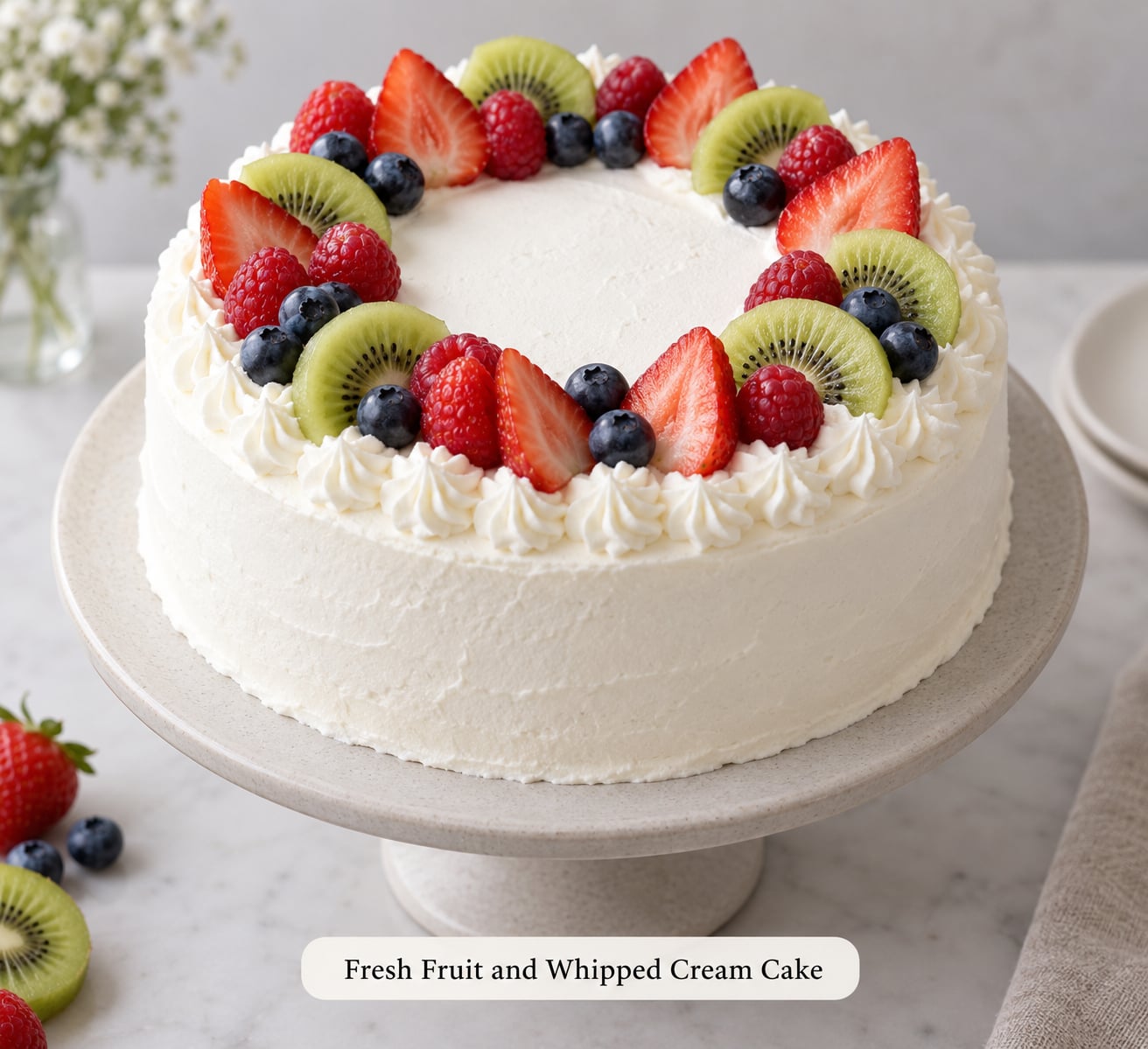
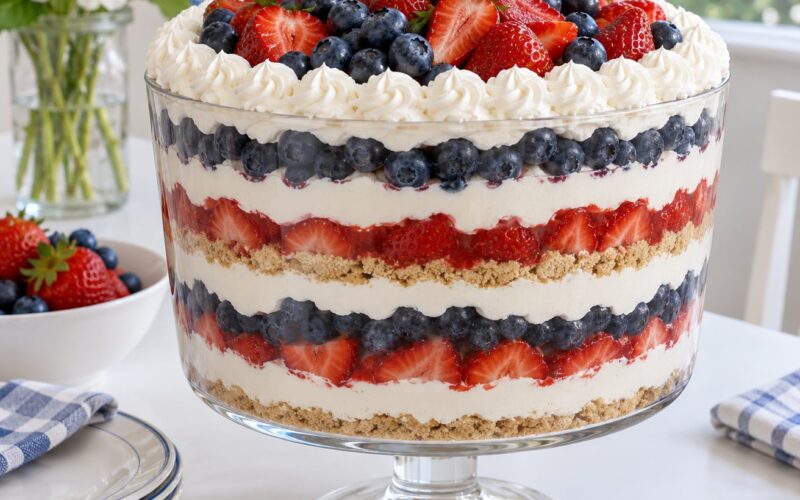
A fruit-topped sponge is the lightest option and the prettiest in photographs, as long as you solve the soggy-cake problem first. That problem is entirely about moisture management, not technique.
Stabilizing the cream
Whip the cream with about a quarter cup of powdered sugar, then stir in a spoonful of instant pudding mix or a teaspoon of gelatin that has been melted and cooled. Stabilized whipped cream holds its shape for a day in the fridge, which buys you the freedom to frost in the morning and serve in the afternoon.
Pat every piece of fruit dry, cut strawberries and kiwi just before serving, and arrange them in a ring rather than a mound so weight is even. If you must prep ahead, refrigerate the cut fruit separately and add it at the last moment.
Skip fresh pineapple and kiwi on the cake itself. Both release juice fast enough to soak through a layer within two hours, and no amount of blotting at the end changes that.
One more tip: serve this cake chilled rather than at room temperature. Cold fruit tastes fresher and the cream holds its shape.
8. Personalized Photo Cookie Cake
A cookie cake is the most personal option and the one people keep. It turns a family photograph into the whole surface of the dessert, and it needs no frosting at all.
Print your photo on standard photo paper at the exact size you want, then cover it with parchment and roll it tightly into a cylinder with the image on the outside. Trace the cylinder onto rolled sugar cookie dough, leaving a half inch of margin on every side. Cut out the shape and remove the paper backing.
Chill the dough for 15 minutes so it holds the curve, then bake at 350°F until the edges are lightly golden, about 12 to 14 minutes depending on thickness. Slide the baked sheet onto parchment immediately, keeping the paper on the top side to protect the image.
Finishing the transfer
While the cookie is still warm, place your paper image face down on the cooled cake. Peel the parchment off the back and smooth the picture down firmly with your palm, working from the center outward. Press for a full minute, then lift the paper slowly.
Add icing along the border to frame it, or pipe a message on a small board beside the cake. Do not glaze over the image; the shine helps it last.
Test the whole transfer once with leftover dough before Mother’s Day. It is the one technique on this list where a rehearsal genuinely changes the outcome.
9. Fun Handprint Keepsake Cake
This one is an activity, not just a recipe. Children and grandchildren press their hands into edible paint and onto the cake, and the result is something the recipient can photograph and keep for years.
Bake a single rectangular layer in a 9×13 pan, using a chocolate or vanilla sponge depending on whether the colors you have are light or dark. Cool it flat on a rack before anything touches the top.
Making the prints
Mix edible food coloring with a few drops of corn syrup to make a paint thick enough not to run. Each person paints the palm of their hand, lays it on wax paper for 30 seconds to set slightly, then presses onto the cake with firm, even pressure for a couple of seconds. Lift straight up, not sideways.
Add names and dates with a fine piping tip or a toothpick dipped in food coloring once the prints are fully dry, which takes about an hour in the fridge.
Finish with a simple piped border in a neutral color so the prints stay the focus. Do not cover the cake in frosting first; the paint needs bare surface.
Age-appropriate tasks: under-fives stir batter and press their prints, six to nine year olds measure flour and whisk, ten and up can crack eggs and level the layer. Giving each child one job is usually the difference between a fun afternoon and a ruined cake.
10. Nut-Free Flower Power Cake
Plenty of children in a classroom or a family have a nut allergy, and baking a genuinely safe celebration cake matters more than a decorative one. Build this one around carrot, sunflower or lemon with no nut products anywhere, including in the frosting and on the decorating surface.
A carrot or sunflower cake crumb is naturally moist and needs no nut flavoring to work. Sunflower seed butter gives you a nut-like richness with none of the nut, and it is now sold widely in the baking aisle.
Keeping it safe
Buy flour, sugar and decorations labeled nut-free and check the frosting ingredients, including the icing decorations you plan to lay on top. Many brands print a shared-line warning on the same carton that manufactures nut products, which is worth reading before you serve.
Make the cake at home rather than buying one, since bakery cakes are almost impossible to trace. Clean the work surface, wash hands, and keep bowls and spatulas separate from anything a nut butter has touched. Sunflower seeds and pumpkin seeds are the safe choices for decoration, and both look good piped as petals.
For color, use natural food coloring made from beet, carrot or hibiscus. Sell through the whole table on one color: pale yellow buttercream, sunflower petals and a piped lemon curd drizzle. The nut-free cake is also the easiest one here to make egg-free and dairy-free with a simple swap of the butter and dairy in the sponge.
Frequently Asked Questions
What is the easiest Mother’s Day cake to make at home?
The easiest is the rustic flower garden sheet cake or a plain vanilla layer with a glaze instead of frosting. A box mix doctored with an extra spoon of flavor and a homemade buttercream finishes in under an hour, and a sheet cake feeds more people than a round one baked in the same time.
How far in advance can I bake a homemade Mother’s Day cake?
Cake layers bake well two to three days ahead. Cool them completely, wrap each layer tightly in plastic wrap, then in foil or a freezer bag, and refrigerate. Frosted layer cakes usually hold overnight at cool room temperature for one day, and some bakers freeze wrapped layers for up to a month.
How do I keep fresh fruit from making my cake soggy?
Drain sliced berries in a sieve first, blot them dry with paper towel, and add them only shortly before serving. For a longer window, use stabilized whipped cream so the moisture sits in the topping rather than in the crumb, and skip pineapple and kiwi on the cake, which release juice quickly.
What decorations are safe to put directly on a cake?
Fondant, modeling chocolate, sprinkles labeled edible, candied citrus peel, freeze-dried fruit and washed fresh herbs are all safe. Flowers need checking: use only edible flowers sold for baking, or unsprayed garden roses that have not been near pesticides. Never use fresh-cut store flowers.
Can I make a Mother’s Day cake without eggs or dairy?
Yes, and you rarely need a special recipe. In a standard sponge, replace each egg with a tablespoon of ground flaxseed plus two tablespoons of water, and swap dairy for unsweetened plant milk. For butter, use a vegan stick or solid coconut oil. Expect a slightly denser crumb than an egg-based cake.
How should I transport a decorated Mother’s Day cake?
Chill it first so the frosting firms up, then set it on a non-slip mat inside a box with the cake board underneath it. Carry it level in one arm and keep the car cool, since whipped cream and cream cheese frosting soften fast in a warm vehicle.
Conclusion
Pick on three things: how much time you have, how many people you are feeding, and whether decorating sounds fun or sounds like one more thing. A sheet cake or the strawberry chocolate shortcake covers a crowd in under two hours with almost no technique involved.
Before the day itself, line the pans, weigh the flour, and decide your decorating shortcut. Buttercream for a make-ahead cake, a fruit glaze for the day of, a store-bought frosting for anything else. Most of how to make mothers day cake ideas at home comes down to that decision, made the night before instead of at eight in the morning.